
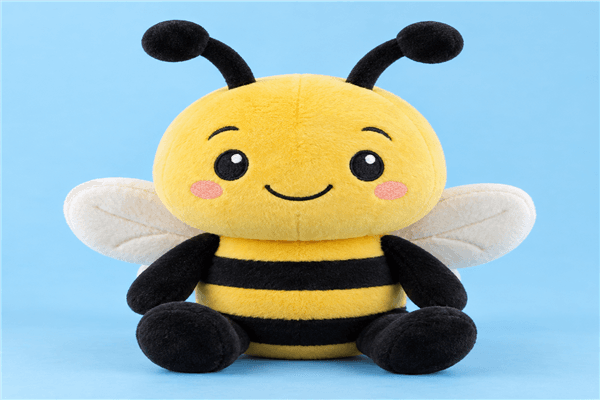
Price differences for custom plush toys can reflect size, fabric, filling, panel count, decoration, accessories, licensing, labor, packaging, quantity, delivery route and retail overhead. A fair comparison starts with a clear specification, not only a product thumbnail or unit price. This guide gives a direct answer first, then turns the decision into practical checks for brand owners, retailers, licensing teams and promotional-product buyers.
Pufza develops made-to-order plush projects from Shenzhen rather than operating a consumer checkout store. That factory perspective is useful here because reliable product decisions connect the visible item with materials, sample approval, product application, factory testing and shipment inspection.
1. The direct answer: Which factors create price differences for custom plush toys?
Start with the decision that changes the outcome
Price differences for custom plush toys can reflect size, fabric, filling, panel count, decoration, accessories, licensing, labor, packaging, quantity, delivery route and retail overhead. A fair comparison starts with a clear specification, not only a product thumbnail or unit price.
Transparent cost drivers, including the link between product specification and quote assumptions. For custom plush toys, the useful starting point is a written product brief, an approved sample and transparent responsibility from quote through shipment. A claim such as “best,” “safe,” “premium” or “popular” becomes meaningful only when it is tied to the exact product, intended user, market and date.
Keep the decision narrow before making it broad. Identify whether the item is for retail programs, brand characters, campaigns and made-to-order product launches, then compare the features that matter in that setting. This prevents a visually appealing photo, a very low price or a short-lived trend from taking the place of product information.
When a detail will affect the purchase or project, ask for it in writing. A seller can confirm the product version, dimensions, care route and support path. A manufacturer can confirm assumptions through a sample, material reference and documented quality requirements.
2. Define the user and product application
The same soft toy can serve very different needs
Before comparing custom plush toys, describe who will use or choose the item, where it will live and what it must do well. A bedside companion, a shelf collectible, a welcome gift, a museum-shop item, a campaign mascot and a retail SKU each set different expectations for size, feel, durability, care and packing.
brand owners, retailers, licensing teams and promotional-product buyers should decide which requirement is non-negotiable. For example, an everyday handled item may need a practical care route, while a display-led piece may place more weight on fabric appearance, sculpted shape, color matching or presentation packaging.
For a B2B project, turn that application into a short brief: intended customer, sales channel, target market, size range, planned quantity, delivery date, price position and required packaging. This is more actionable than asking a factory to make a product “like the photo.”
A real product application also makes trade-offs visible early. A larger size changes carton space; a delicate trim changes handling expectations; an individual name changes production flow. Clear choices are easier to sample, quote, inspect and explain to a customer.
3. Understand the material and construction evidence
Feel, appearance and construction should be reviewed together
Even when materials are not the main subject of the question, they explain much of the finished result. Ask what the outer fabric is, how the item is filled and whether trims, clothing, embroidery or printed details are part of the approved specification.
A physical swatch or sample gives more reliable information than a fabric name alone. Pile direction, stretch, color, seam behavior and embroidery density can look different once the material is sewn around a three-dimensional pattern. This is why Pufza reviews material choices in context during sampling.
Trims should have a job. A woven label may communicate a brand; embroidery may define expression; a garment can establish a character story; a gift tag may carry a personal message. Each additional element also needs a clear placement, finish and inspection expectation.
For a consumer item, use the product listing and care information to understand what is actually present. For a custom program, retain the approved material references with the sample record so bulk production and final inspection can compare like with like.
LET'S MAKE THE NEXT STEP CLEAR
Turn your plush requirements into a clear sample plan.
Share your artwork or product direction, target customer, market, quantity and packaging needs. Our Shenzhen team will outline a practical next step.
Ask for Product Catalog →4. Choose size, shape and visual character with purpose
A strong silhouette must also work in real life
The right scale for custom plush toys depends on how it will be held, displayed, packed and transported. A compact item can suit a counter display, travel or an add-on gift; a larger item can create presence but needs more material, carton volume and storage space.
Shape should protect the product story. Animal proportions, face placement, ear or limb position and the relationship between the head and body all affect recognition. Small changes in pattern line or stuffing can change an expression, so they should be reviewed on the physical sample rather than assumed from artwork.
Choose decorations that remain legible at the finished scale. Fine embroidery, print and appliqué need room to perform. If a face or logo is central to the design, inspect it at normal viewing distance as well as close up; a technically neat detail can still be too small to read.
For a personalized or branded piece, reserve a deliberate location for the name, message or mark. Adding it after the visual system is complete can crowd the design. A planned label, patch, embroidery panel or hang tag usually gives a cleaner customer experience.
5. Compare quality, stitching and durability
Look for evidence instead of relying on a broad quality label
Quality begins with the surface and seams. Look for even fabric direction where relevant, clean panel joins, balanced filling, stable proportions and decoration that is placed consistently. The exact standard should fit the price and purpose, but the product page or sample should make the important features visible.
Review stress areas such as limbs, ears, appliqué edges, garment joins, key attachment points and the transition between different materials. These are practical places to check during product review because they combine construction, handling and visual impact.
For custom production, turn observations into measurable checkpoints. Confirm dimensions, approved fabric, embroidery placement, fill level, labels, packing and any product-specific priorities at the first-piece stage, during in-process review and in the shipment inspection plan.
Durability is not one universal promise. It depends on the intended handling, care method, materials and design. A responsible description explains the product and its use instead of claiming that every custom plush toy will perform the same way in every home, shop or event.
6. Use age guidance and product information responsibly
Softness does not replace product-specific checks
When age or safety matters, read the exact item’s guidance, warning and care information. Do not infer suitability from the product’s soft appearance, a lifestyle photograph or the age of another product in the same collection.
For a product intended for a destination market, the responsible business should identify the applicable requirements and work with appropriate testing and compliance support. This article provides a buying and development framework, not a substitute for market-specific legal, laboratory or compliance advice.
During a custom project, list the components and claims that need review before testing: outer materials, fillings, attachments, decoration methods, labels, packaging and age grading. A sample should represent the finished construction closely enough to make review meaningful.
Keep evidence organized. The approved sample, component list, test plan, reports where applicable and written change history make it easier to answer customer requirements without relying on memory after production has started.
7. Care and storage affect lasting value
Follow the exact product, not a one-size-fits-all rule
Care information is part of product quality. The best construction or fabric choice can still disappoint if the customer does not know how to clean, dry or store the exact item without changing its feel, shape or finish.
Avoid trapping moisture inside the product. After any appropriate cleaning method, dry the item fully according to its care instructions before storing it. Prolonged dampness, unsuitable heat and harsh treatment can affect surface texture, filling and decorative details.
Store a clean, dry item away from prolonged direct sunlight, dust and conditions that may compress or distort the shape. For collectible, gift or retail stock, use packaging that protects presentation while allowing the item to be checked before it is handed over.
For a brand program, care wording should be reviewed as part of labels and customer information. It should match the tested and approved product rather than being copied from a different fabric or construction.
8. Understand price differences before comparing offers
Compare the complete specification and service path
Price differences are created by connected decisions: size, outer fabric, filling, pattern complexity, panel count, embroidery, accessories, licensing, packing, quantity, retail margin and transport. Two custom plush toys can look similar online while using very different product and service inputs.
For consumer purchases, compare the exact variant, condition, delivery timing, returns and seller accountability. For a B2B quote, compare the product description, material basis, decoration, packaging, MOQ, delivery terms and inspection assumptions before choosing a supplier.
A transparent quote or product page makes trade-offs visible. If the target budget is fixed, a practical team can explore changes in size, pile, panel count, decoration, pack or quantity and explain how each one changes the finished outcome.
Value is created when the product fits its application and arrives as expected. That can include a memorable gift experience, reliable retail presentation, fewer quality surprises or a clear route to support if something needs attention.
9. Plan packing and delivery as part of the product
The box, label and freight route affect the customer experience
Packing is not an afterthought for custom plush toys. It affects first impressions, storage, gift readiness, e-commerce fulfillment, retail handling and the product’s condition at delivery. Review it with the finished sample whenever possible.
Over-compression may reduce freight volume, but it can also affect shape, pile and presentation. Test the intended pack against the product: pack it, transport it where practical, open it and review recovery, surface condition, labels and customer-facing appearance.
For a custom shipment, state carton dimensions, pack quantity, marks, label placement and any special handling needs before bulk packing begins. Use shipment inspection to compare the packed goods with the approved packing instruction, not only the loose product.
For consumer orders, favor sellers that make delivery timing, packaging expectations and return support clear. A product can be well made and still be the wrong purchase if it cannot arrive in suitable condition for the intended occasion.
10. Customize and sample with a controlled approval route
Move from a visual idea to a repeatable product
Customization can include color, fabric, shape, embroidery, print, appliqué, clothing, labels, hang tags, gift messages, individual names and retail packaging. The strongest result comes from reviewing these as one product system rather than approving each element in isolation.
A useful sample review compares the actual item with artwork, dimensions, material references and intended customer experience. Check facial expression, silhouette, embroidery, seams, fill, attachments, labels and packaging. Capture changes in one written revision list so different teams are not working from conflicting feedback.
sampling, factory testing, shipment inspection and controlled bulk production in an 8,000 m² Shenzhen facility. Before bulk production, identify what is fixed in the golden sample and what may vary within an agreed tolerance. This creates a clearer basis for factory testing, in-process review and shipment inspection.
Personalization requires an additional accuracy check. Confirm spelling, artwork version, placement, font or embroidery style, proofing route and cut-off date before production. A carefully managed approval process is more useful than promising that a late change can always be absorbed without consequence.
11. Ask the supplier questions that reduce uncertainty
Capability, clarity and checkpoints matter together
Even when supplier selection is not your primary question, the supplier process shapes the final outcome. Ask how the team will move from reference to sample, how materials will be confirmed, when feedback is needed and what checks occur before shipment.
MOQ is connected to material sourcing, cutting efficiency, decoration setup, packaging and the economics of a unique design. Lead time is connected to artwork readiness, sampling rounds, material availability, production capacity, inspection and freight planning. Treat both as project variables, not isolated promises.
Request a simple timeline that shows artwork confirmation, sample review, deposit or purchase-order milestones where applicable, bulk production, inspection, packing and ready-to-ship date. Ask the supplier to state assumptions and risks plainly so a change can be evaluated before it becomes a missed date.
Pufza’s Shenzhen facility connects product development, sewing, finishing, quality review and packing. For a suitable custom project, send the artwork or direction, target quantity, destination market, packaging needs and desired in-hand date so the initial discussion can be specific.
12. A practical checklist before you buy or launch
Use one fact set for every comparison
For a personal purchase, record the exact item, seller, size, materials, stated age guidance where relevant, care directions, delivery date, returns information and the reason this custom plush toy suits the recipient. This makes an online comparison more dependable than scrolling through general recommendations.
For a retail or custom project, record the audience, product application, artwork, dimensions, fabrics, filling, decorations, labels, packaging, price target, quantity, destination market, testing needs, delivery date and shipment plan. Mark which details are confirmed and which still need a sample decision.
Use the same checklist during sample approval and shipment inspection. Consistency protects customer requirements and prevents a late-stage team from guessing which version, label, pack or feature was actually approved.
The next step should be proportionate. Buy when the product and seller information are clear. Ask for clarification when a material detail or delivery condition is important. Start a custom enquiry when you can share enough context for a factory to propose a practical sampling and production route.
13. Conclusion: choose evidence, not a superlative
A reliable plush decision is a clear one
The best answer to “Which factors create price differences for custom plush toys?” is not a universal ranking. It is a product decision that fits the user, application, information available and level of responsibility required.
For custom plush toys, clear specifications, visible quality evidence, appropriate care and a credible seller or factory process create a stronger outcome than trend pressure or an unsupported claim.
If you are developing a made-to-order program, Pufza can help translate artwork, customer requirements, materials, packaging and quantity into an approval-ready sample route from Shenzhen.
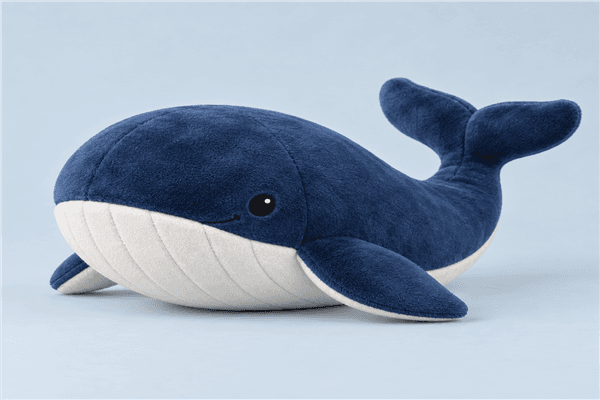
For a closer look at our production environment, visit our Shenzhen plush factory, review our approach to quality checkpoints, or explore custom plush product directions. For market-specific guidance, consult the current information from the U.S. Consumer Product Safety Commission and the European Commission where relevant to your product.
Authoritative resources
Use current, product-specific guidance when preparing a toy for a destination market.
Frequently asked questions
What is the first thing to check when choosing custom plush toys?
Start with the intended user and product application, then confirm the exact item’s materials, size, visible construction, stated age guidance where relevant, care information and seller or supplier accountability. This gives you a usable fact base before you compare price or popularity.
Does a higher price always mean better custom plush toys?
No. A higher price can reflect materials, complexity, licensed artwork, packing, quantity, retail overhead or service. Compare the complete product specification, condition and support path. For a custom project, compare quote assumptions and the approved sample rather than unit price alone.
Can Pufza help develop custom plush toys?
Pufza works with brands, retailers and organizations on OEM and ODM plush development. Send your product direction, artwork, target market, quantity, packaging needs and desired timeline to begin a practical sampling conversation.
READY WHEN YOU ARE
Ready to develop an original plush product?
Bring your customer requirements, delivery target and product references to Pufza for a focused custom-manufacturing conversation.
Get a Quote →