
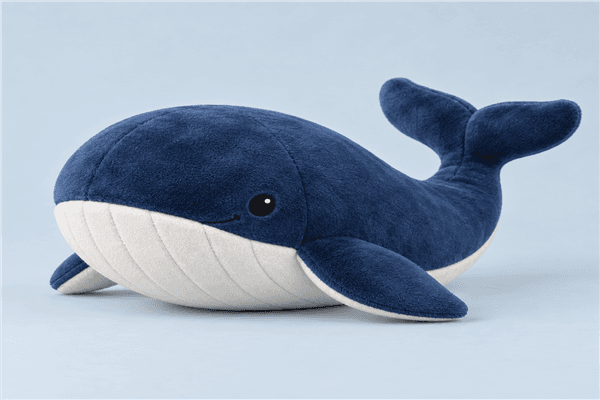
A more responsible material choice starts with verified, product-specific information rather than a broad environmental claim. This guide helps overseas buyers prepare a more useful factory conversation before sampling or bulk production.
Exact materials, test scope, quantity and delivery route are product-specific. Use this as a planning framework, then confirm customer requirements and applicable market obligations with responsible parties before releasing production.
1. What buyers should know about sustainable plush toy materials
The direct answer is this: A more responsible material choice starts with verified, product-specific information rather than a broad environmental claim. Start with the finished product application rather than a generic request for a low price or fast delivery.
A custom plush photograph cannot show every production decision. Fabric, panel shape, filling, decoration and packaging interact, so a useful supplier discussion makes assumptions visible.
Keep one current specification. It prevents an early image, informal email or prior sample from becoming an accidental production instruction.
For sustainable plush toy materials, the decision is usually easier when the buyer distinguishes a visible product outcome from the way it is made. A visible outcome may be a soft hand feel, a clear character face, a shelf-ready presentation or a fixed delivery date. The route to that outcome may involve pattern work, material confirmation, decoration set-up, operator instructions and packing controls. Both need to be discussed, but they should not be confused.
Experienced buyers ask what would change if the specification moved in one direction: a smaller size, a different fabric, a lower quantity, a revised label or a tighter delivery window. That question does not signal distrust. It gives the factory an opportunity to describe a workable option before the project reaches a stage where an unplanned compromise becomes expensive.
2. The decisions that shape sustainable plush toy materials
The main drivers are connected. Changing one may affect appearance, cost, production route or delivery timing, so review them as a group.
For each driver, ask what the buyer is protecting: a signature feature, a customer requirement, a price position, a target date or a market decision.
When a supplier proposes a change, ask for the expected visual, operational and commercial effect in writing before the next approval step.
A practical way to review alternatives is to keep a short decision log. For each item, record the buyer requirement, the factory recommendation, any impact on cost or lead time, the sample evidence and the approval owner. This avoids the common situation where a valid comment is remembered but the product team cannot later identify which version of the material or drawing it applied to.
Not every detail carries the same risk. Focus early attention on elements that affect recognition, intended use, safety preparation, customer information, retail fit or shipment readiness. Less critical styling decisions can often remain open for a short period, but the factory should know which choices are genuinely flexible and which are not.
- Material objective
- Supplier evidence
- Product feel
- Packaging
- Claim approval
3. Build a buyer brief before requesting a quote
For this topic, the working brief should include a defined objective such as recycled-content evidence, packaging reduction, durability, traceability or customer communication, plus market needs. Mark undecided points as open rather than silently omitting them.
Use the same brief for each factory you compare. That makes differences in price and lead time meaningful because suppliers are answering the same product question.
Consolidate sample feedback through one approval owner. Good comments state what should change, why it matters and how the revision will be recognised.
A brief becomes more valuable when it explains the reason behind a requirement. For example, a specified size may be driven by a store fixture, a target retail price, a child-use context or an event distribution format. That explanation helps the factory recommend an alternative that preserves the business objective instead of simply changing a number on the drawing.
Keep digital files organized by version and date. The buyer does not need a complex technical system: a current artwork folder, a sample-feedback sheet and a simple approval record are often enough. The important discipline is that everyone knows which file is authoritative when sample development, packing artwork and production instructions are prepared.
LET'S MAKE THE NEXT STEP CLEAR
Need a clearer plan for sustainable plush toy materials?
Share your artwork, target quantity, destination market and delivery window. We will identify the production information needed for a practical discussion.
Get a Quote →4. What to confirm with the factory before bulk production
Ask what evidence is available for proposed fabric, filling, labels or packaging and whether the material is consistently available for the planned order. The purpose is to establish a repeatable production route, not collect generic process claims.
A first-piece review compares initial bulk output to the approved sample before the full order progresses. If a deviation is found, agree affected scope, correction and confirmation.
Factory testing should follow actual product risks and customer requirements. Material, attachment, face, filling, label and packing checks are useful only when tied to a clear reference.
During a factory review, ask who receives the approved information at each stage and how the team prevents an old reference from being used. A sample room, cutting table, sewing line, finishing area and packing station may each see the product differently. A controlled approval pack helps those teams work from the same material, construction, decoration and label decisions.
Photographs and video updates can help remote buyers understand progress, especially around first-piece review and shipment inspection. They are most useful when each update names the product version, review point and requested decision. A large set of unlabelled photos can look reassuring while leaving the real production question unanswered.
5. Manage cost, timing and product trade-offs
Using environmental wording that is broader than supplier documentation or product configuration supports. Model alternatives against the approved product intent instead of accepting an unexplained revision.
If budget is the issue, compare quantity, components, available materials, decoration and packing. If timing is the issue, identify the critical approval or sourcing decision rather than compressing inspection.
An approved sample is not permission for uncontrolled substitutions. Necessary changes should be documented, shown where possible and accepted before affected materials are released.
When reviewing an option, separate one-time development cost from recurring unit cost and from downstream logistics cost. A feature that increases sample effort may have little effect on later units; a packaging choice may have modest factory cost but materially change carton volume. The buyer can make a better decision when those cost types are not mixed into a single unexplained figure.
Time is also a product variable. A compressed calendar can limit sampling, material confirmation, packing proofing or inspection time. If the launch date cannot move, protect the decisions that affect the critical path. If the product specification cannot move, allow the calendar to reflect the development work required to make the bulk result consistent.
6. Use quality checkpoints that match the product
For this product area, Compare samples for feel and construction, keep material records, approve substitutions and confirm safety or quality requirements remain intact.
Quality control is stronger before final packing. Incoming checks, first-piece review and in-process observation can contain concerns while there is time to act.
Factory records support production control but do not replace product-specific legal, laboratory or certification decisions required by the responsible market party.
A useful inspection instruction is specific enough for two independent reviewers to reach the same conclusion. Instead of “check quality carefully,” identify the location, reference and acceptance point: compare face placement to the approved sample, verify label copy against approved artwork, or confirm carton count and mark against the packing instruction. This makes factory testing and shipment inspection more actionable.
If a non-conformity is found, document the scope before deciding on the correction. The relevant questions are whether the issue affects one piece, one operation, one material batch or a broader lot; whether product already packed needs review; and how the correction will be checked. A controlled response is more useful than a rushed cosmetic repair.
7. Prepare the shipment and handover path early
For delivery planning, confirm Review availability, certificates or transaction documents where applicable, carton optimization and documentation timing.
Work backward from the date your customer needs the goods. Include packing, inspection, release, freight handover and any buyer-managed import or delivery activities.
Cartons, labels and packing lists need the same version control as product artwork. A correct plush in an unclear carton configuration can still create warehouse and freight problems.
The logistics file should include the information a warehouse or freight partner actually needs: SKU identity, carton count, dimensions, weights, marks, packing list, destination and responsible contacts. Confirm this information while the product and packing proof are still accessible. Waiting until a vehicle is booked can turn a simple label or carton question into a shipping delay.
For cross-border orders, responsibilities should be visible even when a buyer uses an experienced forwarder. Confirm who releases goods after inspection, who provides each document, who books the route and who manages import clearance or delivery at the named place. Clear ownership reduces the risk that finished goods wait because each party assumes another will act.
8. A realistic buyer scenario
A retail brand can compare recycled-content fabric options alongside feel, colour, price and evidence for customer-facing wording. The lesson is not that every project needs the same answer; it is that application, acceptance points and calendar should be visible before bulk production.
Record the decision, its reason, supporting evidence and approval owner. That record is valuable at shipment inspection and on repeat orders.
Expect plain-language explanations of trade-offs, not unsupported promises that every custom design can be delivered unchanged at any quantity or deadline.
Use a buyer scenario to test whether the brief is complete. Imagine the product at its actual moment of use: on a shelf, at an event, in a gift box, in a child’s hand or at a warehouse receiving dock. Then ask whether the current sample, package, labels and carton plan would support that moment. This turns general sourcing language into concrete approval questions.
The same method helps repeat orders. Review what worked in the prior run, what generated extra questions and what should become a fixed instruction next time. A repeat order is not simply a new quantity; it is an opportunity to turn observed production and shipment lessons into a more reliable specification.
9. A practical next step for your project
Collect the artwork, specification and commercial details already available, then list the missing decisions that prevent a dependable factory answer.
Send the brief with target quantity, destination market and desired in-hand date. Ask the supplier to state assumptions, sample route and production checkpoints.
For related preparation, review Pufza’s product directions, Shenzhen factory and quality-checkpoint pages before finalising your request.
Before requesting a quote, make a short list of your decision gates: sample approval, any required testing or documentation review, packaging proof, first-piece check, shipment inspection and final release. Give each gate an owner and a deadline. This is a simple way to keep creative, procurement, quality and logistics decisions from colliding in the final production week.
Pufza can use the resulting brief to discuss product development in a focused way. The most productive first enquiry includes enough detail to identify a sample path and enough openness to discuss practical alternatives. That balance is what turns an initial idea into a quotation and sample plan that can be approved with confidence.
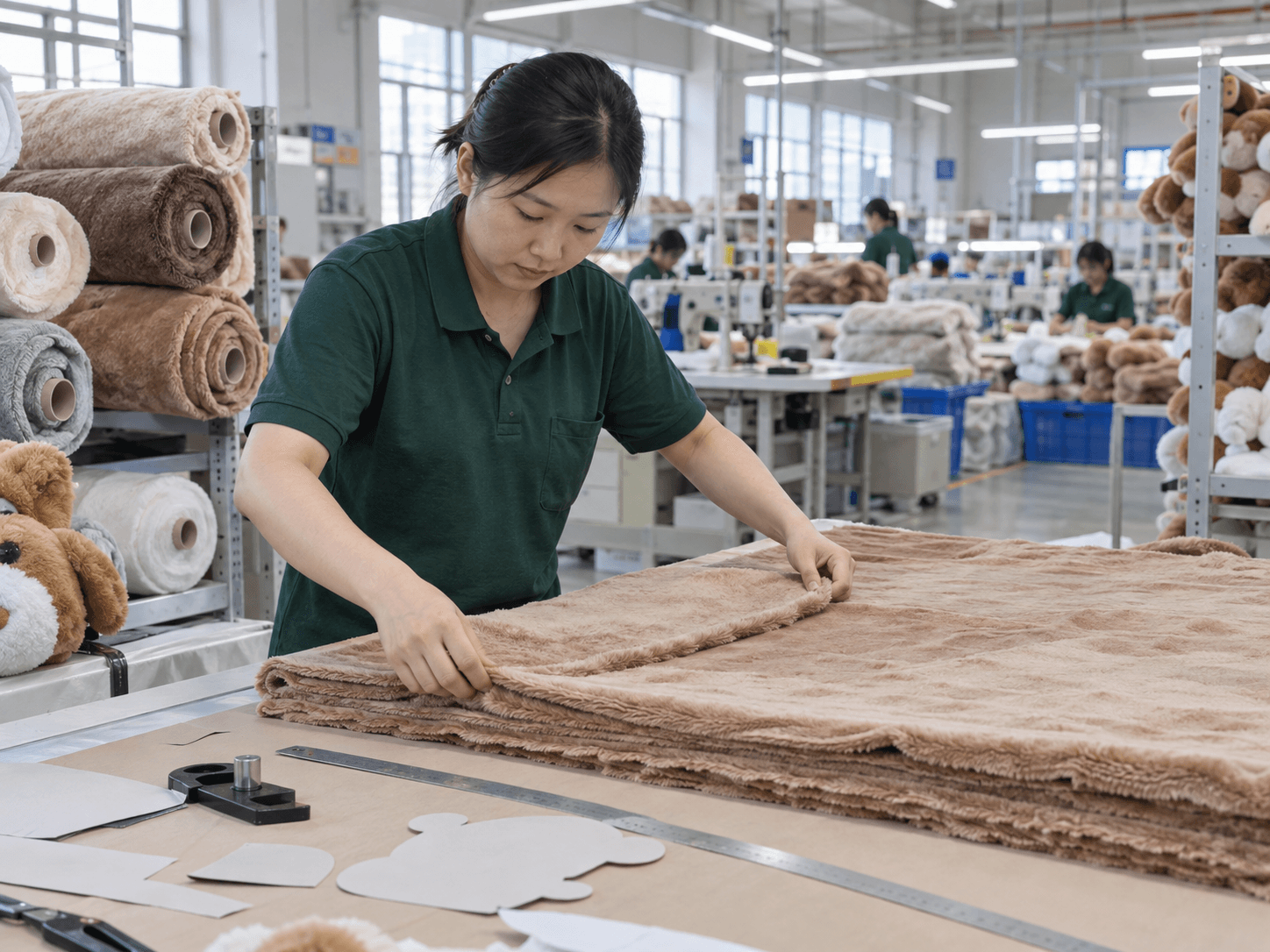
For a closer look at our production environment, visit our Shenzhen plush factory, review our approach to quality checkpoints, or explore custom plush product directions. For market-specific guidance, consult the current information from the U.S. Consumer Product Safety Commission and the European Commission where relevant to your product.
Authoritative resources
Use current, product-specific guidance when preparing a toy for a destination market.
Frequently asked questions
What should I send a factory about sustainable plush toy materials?
Send a defined objective such as recycled-content evidence, packaging reduction, durability, traceability or customer communication, plus market needs, with a quantity range, destination market and target delivery date. Mark open decisions clearly so the supplier can explain assumptions instead of treating them as confirmed requirements.
Should I approve a physical sample before bulk production?
Yes. A documented sample gives buyer and factory a common reference for materials, construction, dimensions, decoration and packing. Record approved changes and use the current version for first-piece review and shipment inspection.
Can a factory confirm every compliance requirement for my market?
A factory can provide product information, material records and production support. The responsible business should still confirm applicable rules, testing, certification, labels and market-release decisions with qualified support where needed.
READY WHEN YOU ARE
Turn your plush brief into an approval-ready next step.
Send your requirements to Pufza for a focused custom plush sampling and manufacturing conversation.
Get a Quote →